
Why Bugs Bunny Is the Only Childhood Hero That Survives Adulthood
Most kids grow up idolizing heroes who wear capes, harbor brooding, tragic backstories, or rely on radioactive spider bites to get things done. Personally, I always preferred a hero whose primary superpower was gaslighting his enemies into blowing themselves up. Enter Bugs Bunny.
When you look back at the golden age of animation, his interactions with Elmer Fudd represent some of the finest writing in the history of Western civilization. Elmer enters the woods with a double-barrel shotgun and a clear, rigid objective. Bugs enters with a carrot and absolute calm. Within three minutes, Bugs has completely rewritten the literal definition of hunting seasons, dressed up as a seductive milkmaid, and convinced his hunter that the shotgun is merely a prop. That is not just winning a fight. It is high-level strategic negotiation. It is the art of letting your opponent completely dismantle their own argument while you control the entire narrative without ever breaking a sweat.
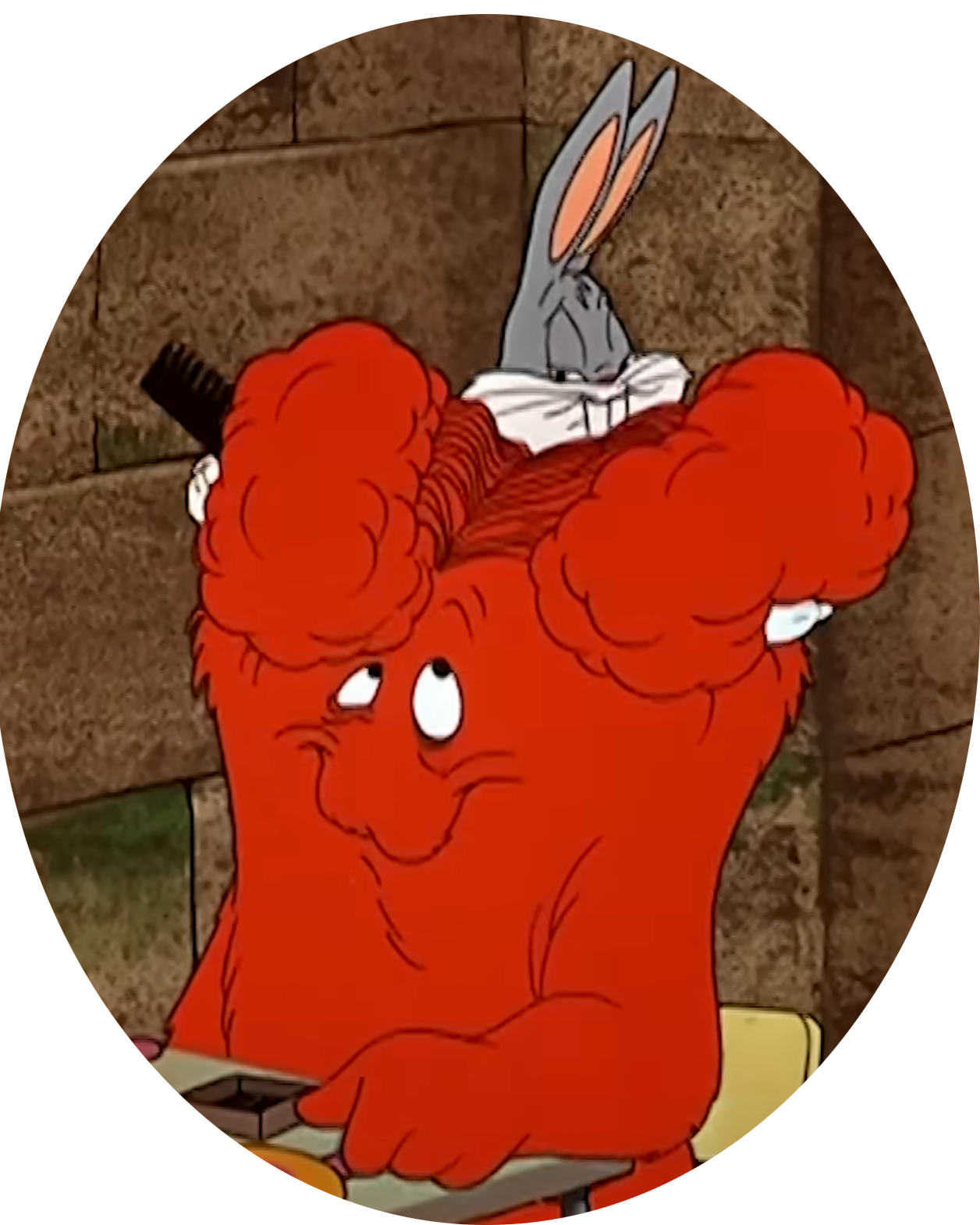
Then there is the pinnacle of crisis management, which happens to be my absolute favorite piece of animation. Bugs finds himself trapped in a castle, pursued by a terrifying, giant orange wall of rage and hair named Gossamer. A standard protagonist would panic, run, or try to throw a punch. Bugs looks at a bloodthirsty, existential threat and decides the real emergency is the creature's split ends. He instantly transforms into a gossiping beautician, drags over a manicurist chair, and tells the beast his hair is an absolute disaster before giving him a permanent.
To look a terrifying crisis dead in the eye and treat it like a routine cosmetic appointment is the ultimate psychological flex. It takes pure flair, exceptional intelligence, and an unparalleled level of confidence to spin absolute chaos into a routine salon session.
The older I get, the more I realize the corporate world is packed to the gills with Elmer Fudds. It is full of people who walk into the room making loud demands, wielding rigid frameworks, and lacking any real situational awareness. If you fight them with brute force, you just end up exhausted and covered in mud. But if you take a page out of Bugs's playbook, you do not get mad. You pull up a chair, hand them a mirror, and watch them trip over their own traps while you casually chew a carrot and ask, "What's up, doc?"
Image credit: Warner Bros. Entertainment. This screenshot from "Water, Water Every Hare" (1952) is used under Fair Use guidelines for the sole purpose of critical commentary and analysis.